What Happens If You Skip Wearing Your Retainer?
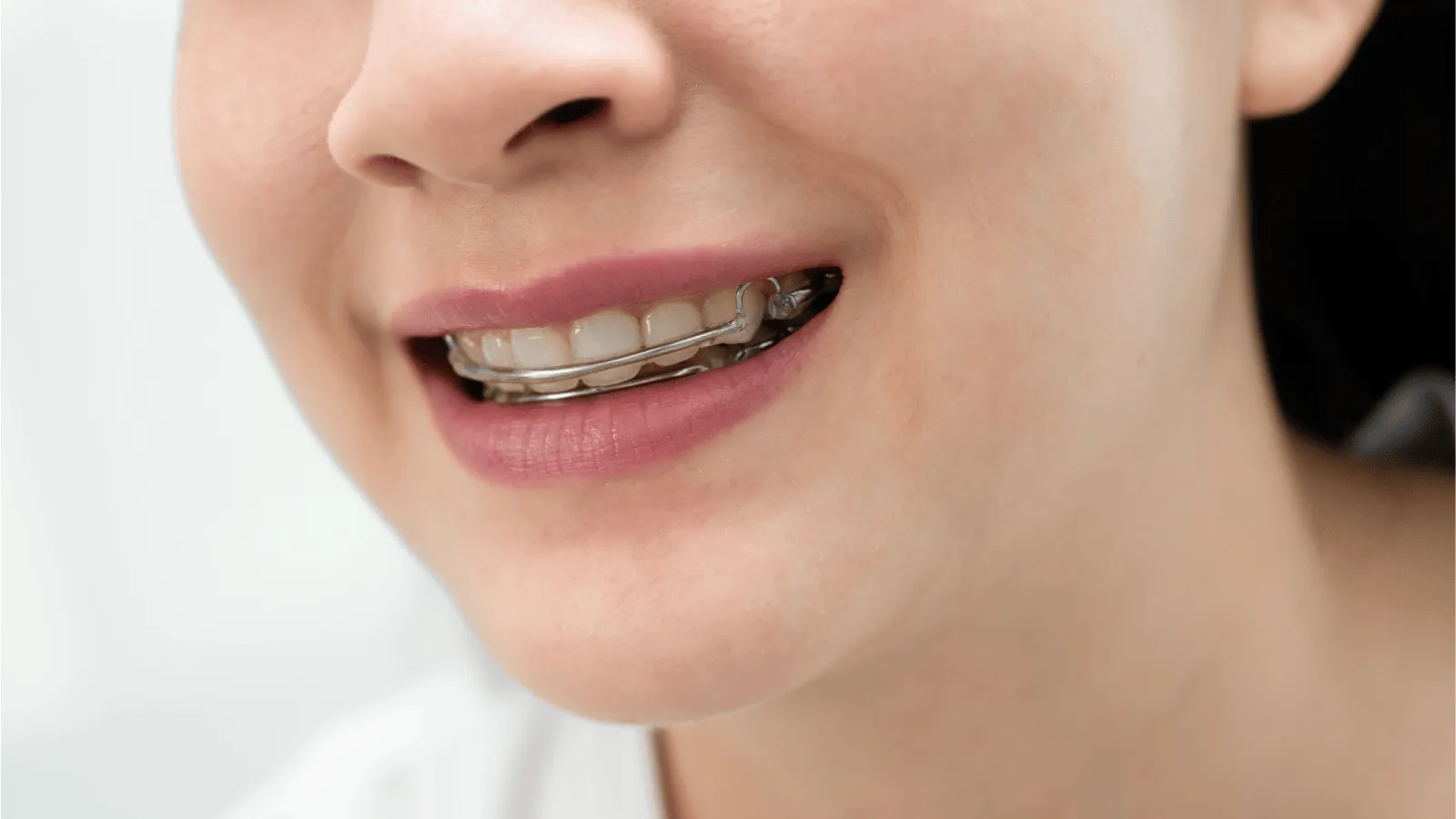
Ever wondered what really happens if you skip wearing your retainer? You know that clear little tray sitting in its case and waiting for you every night. It’s easy to think, “One night won’t hurt,” but that’s where trouble quietly starts. Teeth have a sneaky way of shifting back when you least expect it. In this blog, we will talk about why retainers matter so much and what happens when you stop wearing them. We will also discuss how to maintain your smile. Don’t wait. Wear your retainer tonight and protect your beautiful smile.
Skipping Isn’t Harmless
If you skip wearing your retainer, your teeth are likely to start drifting back toward where they used to be. And yes. That means all your time, money, and discomfort during braces might start undoing itself.
Over time, your teeth may shift, your bite might change, and you could end up needing treatment again.
Studies show that long-term retention is actually needed to maintain the outcome of orthodontic treatment. Basically. Your retainer isn’t an optional accessory. It’s part of the deal.
Why Your Retainer Matters
Before you roll your eyes thinking it’s just a piece of plastic, let’s hit pause. There’s actually a lot going on behind that little retainer, way more than most people realize.
Teeth Don’t Lock In Like You Think
You might imagine that once your braces come off, your teeth are fixed in place permanently. But nope. The reality is different. Your teeth are held by ligaments, bone, and gums. That stuff keeps shifting for years.
So when you ditch your retainer:
- Your gums and ligaments haven’t fully stabilised yet, and are easier to move.
- Your bite is still settling.
- Natural growth and other forces are pushing things subtly.
The Relapse Risk
Relapse is a buzzword in orthodontics. It means: your teeth move back. Without a retainer, the chance of relapse is real. One source says that after 10 years, many patients still show unacceptable results without proper retention.
So skipping your retainer is kind of like leaving your front door unlocked. You might be fine for a night or two, but eventually something’s going to shift.
You Might Think “It’s Just a Tiny Thing” But
Small shifts add up. Imagine: one evening you skip; a week later you skip; then you are only wearing it half the time.
Next thing: your lower front teeth feel a bit crowded, or your upper canines twist a little. It doesn’t happen overnight, and sometimes you barely notice until you do.
What Happens Inside Your Mouth When You Skip
When you skip wearing your retainer, things start shifting quietly. The tissues holding your teeth relax. It causes tiny movements you won’t notice at first. Over time, skipping turns into a habit, your teeth slowly drift, and small gaps or crowding begin to appear. Eventually, you might need a new retainer or even more orthodontic work.
A study found that 69% of patients wore their retainers every night at first, but only 19% kept it up after two years.
How Bad Could It Get If You Keep Skipping?
It’s not just about looks. Skipping it can mess with your smile, your bite, and even your confidence. Here’s what can start going wrong before you realize it:
- Even the lower front teeth can start twisting or overlapping small shifts, but they change your whole smile.
- Your bite may go off balance, leading to uneven wear, mild jaw pain, or even changes in speech.
- You may require a new retainer or another orthodontic appointment if things move too much. It would cost you more time and money.
- Ignoring a fixed retainer can lead to hygiene problems or a broken wire, making things worse.
- And honestly, after all that effort with braces, seeing your teeth move back can be pretty discouraging.
You Can Protect Your Results
The good news is, all this shifting and drifting can be completely avoided if you simply stick to your retainer routine. Just wear it exactly as your orthodontist advised. It is usually full-time at first, then nights only as things stabilize. Keep it clean, check in for regular visits, and if you miss a night or two, don’t panic, just get back on track.
Avoid habits like grinding your teeth or biting hard foods, since they can make your teeth move faster than you’d think.
Final Thoughts
Skipping your retainer might seem harmless now. You might be tired of wearing it, you might feel your teeth are fine, you might think, “I will wear it tomorrow”. But tomorrow turns to next week, month, then a year and your beautiful post-braces smile might be creeping back to where it started. So if you want to keep that straight smile, wear your retainer. Simple. And if you are looking for expert help, go ahead and book with Garrison Orthodontics. We are great at guiding retainer care and long-term smile stability.
FAQs
After how many years can I stop wearing a removable retainer entirely?
There’s no magic number. Some orthodontists recommend night-only wear for life, because teeth keep moving as we age. Studies emphasise the need for long-term retention.
If I only skip occasional nights, is that okay?
Occasional nights are less risky than weeks, but they still stack. Your best bet is to go back to full compliance and avoid the “just this one night” mindset turning into “I will skip the whole week”.
Fixed retainers mean I don’t need to worry about removable ones, right?
Not precisely. Although fixed retainers are very beneficial. They still need to be cleaned and examined. Worn with vigilance. They do not remove the requirement for retention vigilance. They do lessen the dependence on remembering to enter something.