
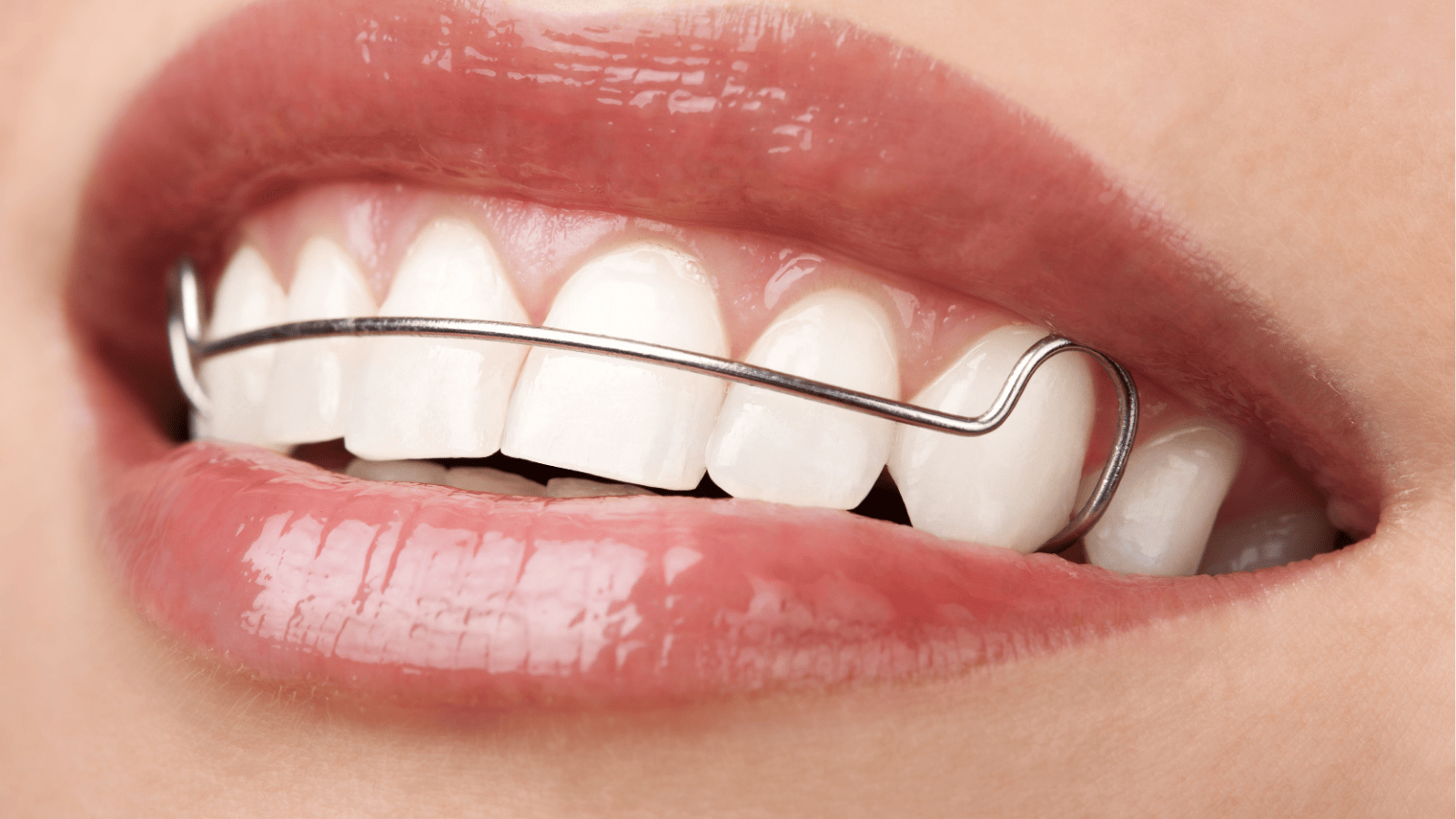
Ever finished braces or Invisalign and felt that relief? But your teeth aren’t quite done yet. Retainers are the neglected heroes that keep your smile in place after all that work. Without one, your teeth might go back where they came from. What a huge mess, right? So, what kind of retainer should you pick? Let’s go through it in a way that’s easy to follow. In this blog, we will take you through the main types of retainers, explain who they are for, and help you figure out which one suits you.
The global orthodontic retainer market is projected to reach $388 million in 2025, driven by advancements in technology and rising consumer demand for discreet, durable retainers.
What Are Retainers and Why Do You Really Need One?
You got your braces off or finished your Invisalign trays, and maybe you think your job’s done. Not quite. They are still finding their proper place. Retainers are like seat belts for your teeth. They prevent them from returning to their previous positions. It’s natural for your teeth to move a little after finishing the treatment. Retainers come in different styles. It depends on your lifestyle and your expert choice how long you will wear them.
Finding the Right Retainer for You
Selecting the appropriate retainer isn’t always straightforward since each person’s smile and habits vary. Therefore, let’s explore the main types to find out which one suits you best.
| Retainer Type | Best For | Pros | Cons |
| Hawley | Durability lovers, adjustability | Tough and easy to maintain | Visible wire, bulkier feeling |
| Clear Plastic | Discreet users, light wearers | Nearly invisible, comfy | Less durable, can crack or wrap |
| Fixed (Bonded) | For people with teeth that tend to move | Keeps in place without trouble. | Harder to floss, needs careful cleaning |
If you want to keep things low-key and easy, clear plastic is a winner. If you are worried about losing your retainer or want something tough then choose Hawley or fixed.
How Long Do You Have to Wear These Guys?
Right after braces or aligners come off, orthodontists usually want you to wear your retainer all the time for a few months like 22 hours a day. After that, most people get away with just wearing them at night.
Some people wear their retainers forever at night because teeth can shift anytime, even years later. So don’t toss that retainer in the drawer just yet!
Care Tips
No one wants to pay for a new retainer because they lost or broke the old one. Simple ways to keep yours in top form:
- Always clean your retainers daily. Use a soft brush with toothpaste or mild soap.
- Don’t rinse with hot water; it can change the shape of plastic retainers.
- Store your retainer in its case when not wearing it to avoid damage or loss.
- Don’t chew on your retainer. It’s not gum!
If you notice cracks, warping, or difficulty putting your retainer on, book a quick visit with your orthodontist.
The Bottom Line
Once your braces or Invisalign are removed, it’s important to stay committed to wearing a retainer if you want your teeth to stay straight and your smile to look great. No matter if you choose a fixed retainer, a clear plastic one, or a traditional Hawley, the key is to select what suits you best and remain consistent with it. Every type comes with benefits and drawbacks, yet each one helps keep your smile strong in the long run. If you are not sure which retainer suits you best, then reach out to Garrison Orthodontics. We make things simple and stress-free for you. We guide you to protect your smile with ease. Give us a call today and keep your teeth exactly where they belong!
FAQs
Can I skip wearing my retainer if my teeth look fine?
Nope, even if your teeth look perfect, they can shift without retainers. Wearing them as advised keeps your smile stable long-term.
How long does a retainer last before needing to be replaced?
It depends. Clear plastic retainers usually last 1–2 years if taken care of well. Hawley retainers tend to have a longer lifespan. Fixed retainers last until your orthodontist decides otherwise.
How do you handle losing or breaking your retainer?
Call your orthodontist without delay. The longer you wait, the more likely your teeth will start to move back, which might mean extra work later.