
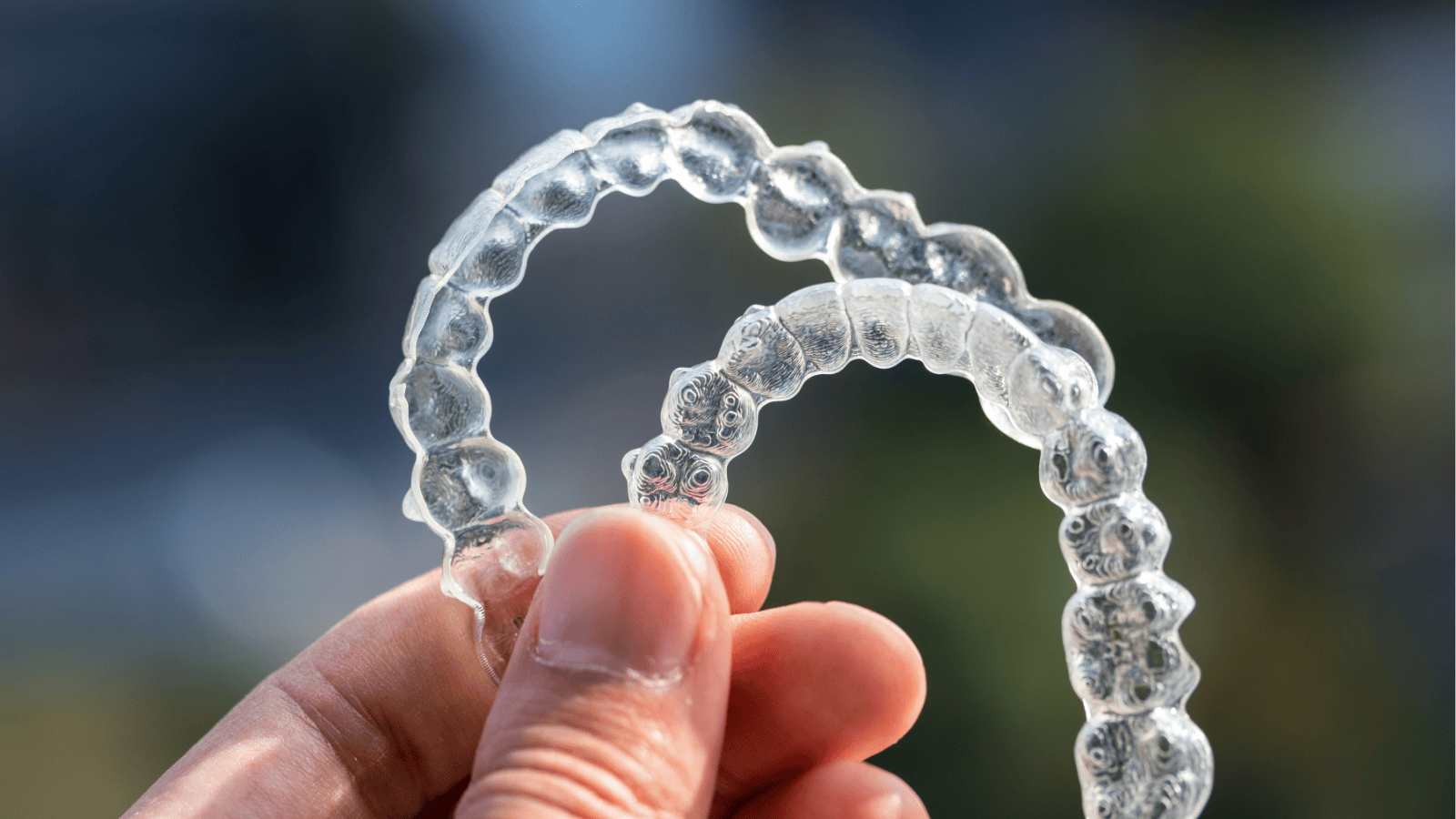
Once you have completed your orthodontic treatment or removed your braces, you will have a perfect smile. But this journey does not stop here. Retainers are necessary to maintain your teeth in this new position. There are numerous retainers available on the market, making it difficult to choose the right one. In this blog, we will discuss the main types of retainers, their pros and cons, which will help to find the right one according to your needs.
The Retainer’s Vital Role
The phase was very painful and hard to get that beautiful and straight smile. Retainers are just a small step after braces that keep your teeth in their ideal position. If you are not using this, then your teeth will shift back and reverse the efforts you have made for it. They act as bodyguards who silently make sure everything remains in place. Retainers are important for a while, not lifelong.
It’s normal to forget or feel lazy sometimes, but building a simple routine helps. Keep your retainer clean, store it safely, and wear it as your orthodontist suggests. These small steps will protect all the effort and money you put into your braces. Remember that retainers don’t just maintain alignment, they protect your confidence, too.
Your Retainer Options
There are three primary types of retainers commonly used after braces. Each has its unique benefits and drawbacks. Let’s break them down in detail to help you find the perfect fit.
Hawley Retainers: A Traditional and Reliable Option
A Hawley Retainer is a plastic base that fits on the roof or floor of your mouth. It has a metal wire across the front teeth to hold them in place. This is one of the oldest and most trusted types of retainers used after braces.
| Pros | Cons |
| Made with durable materials that can last for years. | The front wire can be seen when you smile or talk. |
| Your orthodontist can fine-tune them if your teeth begin to shift. | They may feel thick or uncomfortable at first. |
| If they get damaged, they can often be fixed rather than replaced. | Don’t protect biting surfaces from grinding. |
| You can choose fun colors or patterns to make them personal. | Removable design means they can be lost if not stored properly. |
| Doesn’t cover biting surfaces, so your bite adjusts naturally. | It may slightly affect speech or comfort initially. |
It is best for people who want a durable and adjustable retainer and don’t mind a visible wire.
Clear Plastic Retainers
Also called Essix retainers. They are thin and clear plastic trays that fit snugly over your teeth. They are custom-molded to your smile and designed to be discreet and easy to wear.
| Pros | Cons |
| Almost invisible, which is great for teens and adults. | Can crack or wrap more easily. |
| Comfortable and lightweight. | Usually needs replacing every 6-12 months. |
| Protects against grinding and clenching. | Easy to misplace due to their clear design. |
| Easy to replace if lost or damaged. | It may slightly affect speech at first. |
| No metal wires. | Must be removed when eating or drinking anything but water, as this increases the risk of forgetting or losing them. |
It is ideal for anyone who values aesthetics, comfort, and can keep track of their retainer.
Bonded Retainers: A Fixed, No-Fuss Option
A thin wire in this retainer is bonded to the back of your teeth (usually the lower front ones) to keep them in place long term. It stays in your mouth 24/7 and offers continuous support without daily effort.
| Pros | Cons |
| Always in place. | Hard to clean. |
| Hidden behind teeth. | It can break easily. |
| Can’t be lost. | May cause plaque buildup. |
| Long-lasting results. | Used only on front teeth. |
| Good for forgetful users. | Higher upfront cost. |
It is best for people who want a “set-it-and-forget-it” solution and are committed to good oral hygiene.
Tips for Choosing
Not sure which retainer is right for you? Here are a few simple tips to help you decide based on your lifestyle and comfort.
- Choose Hawley or clear retainers if you prefer something removable and easy to clean.
- Go for clear plastic retainers if you care most about appearance and want something discreet.
- Pick bonded retainers if you want a no-fuss option that stays in place all the time.
- Be honest with yourself about your routine; some retainers need more care than others.
- Always talk to your orthodontist for the best choice based on your teeth and treatment plan.
Retainer Care and Maintenance Tips
Proper care of your retainer is essential to keep it effective and hygienic. Here are some simple tips to help you maintain your retainer:
- Wear it as prescribed. Consistency is key to preventing teeth from shifting.
- Remove while eating to avoid damage and food trapping.
- Clean daily by brushing your retainer gently with a toothbrush and lukewarm water. Avoid hot water to prevent warping.
- Store it safely in a protective case when not in use to avoid loss or damage.
- Avoid exposing it to heat, like car dashboards or washing machines.
- Visit your orthodontist regularly to make sure that your retainer fits well and stays in good condition.
- For bonded retainers, use floss threaders or water flossers to clean under the wire and prevent plaque buildup.
Final Thoughts
For a long-term perfect smile, choosing the right retainer is so important. Whether you prefer the classic durability of Hawley retainers, the nearly invisible comfort of clear plastic retainers, or the hassle-free permanence of bonded retainers, understanding your options will help you make an informed decision.
At Garrison Orthodontics in West Orange, NJ, our expert team will guide you through the retainer selection process and provide personalized care so that your teeth stay perfectly aligned. Don’t hesitate to reach out for a consultation to find the retainer that’s right for you!
FAQs
Can wearing a retainer cause any oral health issues?
While retainers are generally safe, if not cleaned properly, they can harbor bacteria, leading to bad breath, plaque buildup, or even gum irritation. Bonded retainers especially require diligent flossing to avoid plaque around the wire. Regular dental check-ups and good hygiene help prevent these problems.
How do retainers affect physical activities like sports or playing musical instruments?
Most retainers can be removed during sports or playing wind instruments to avoid damage or discomfort. However, if you play contact sports, it’s important to wear a mouthguard to protect your teeth and retainer. Talk to your orthodontist about the best way to manage retainers during your activities.
Can retainers help with teeth grinding or jaw pain?
Some clear plastic retainers can double as night guards to protect against teeth grinding (bruxism). However, not all retainers are designed for this purpose. If you experience jaw pain or grinding, consult your orthodontist or dentist for a specialized night guard that fits your needs.