
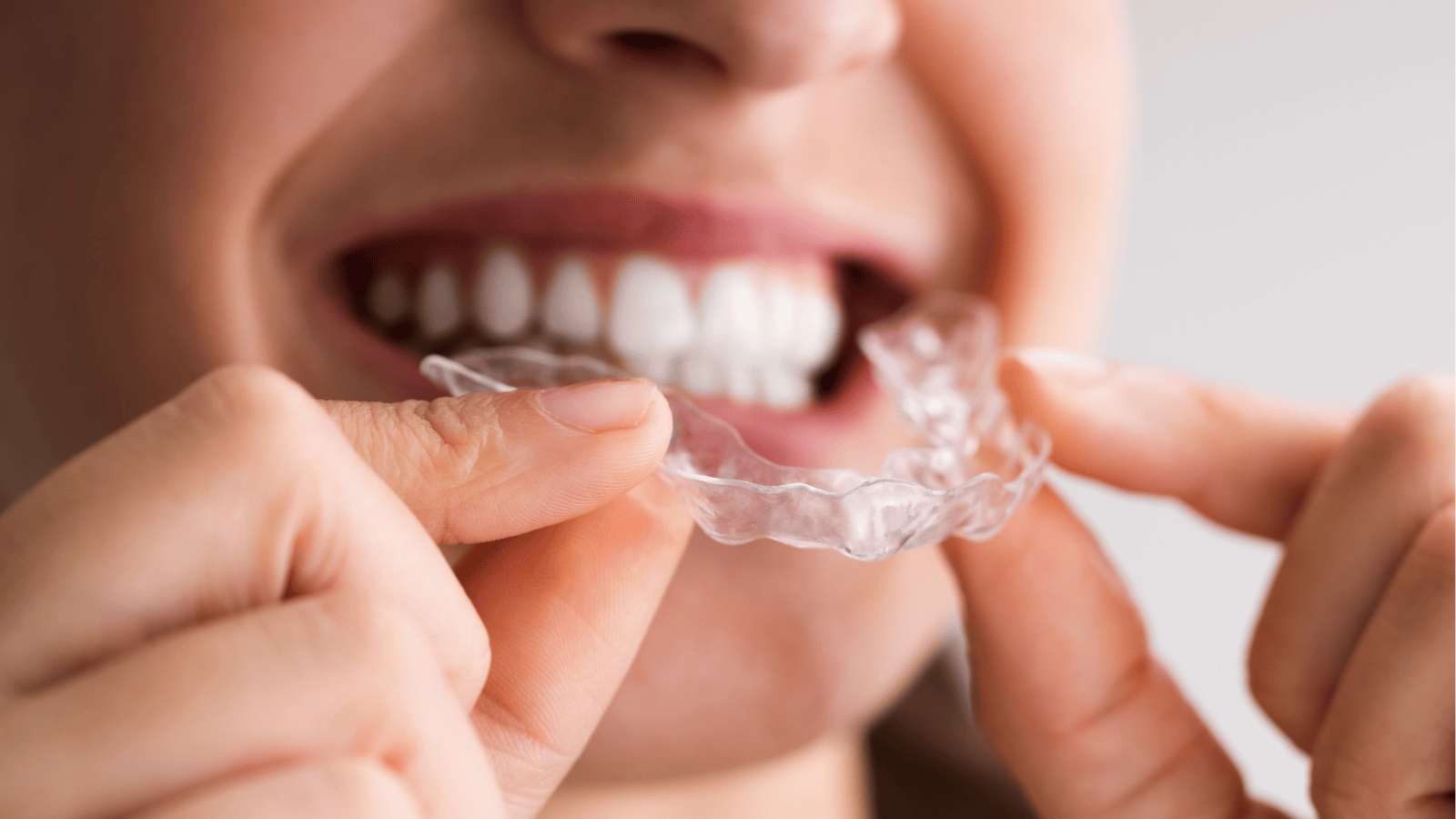
As technology advances, numerous innovations are emerging in the medical field as well. Clear aligner treatment has changed the way people straighten their teeth. They become a good-to-go choice for adults and teens who want to improve their smile sensibly. It looks simple, but it involves more than just putting on a set of aligners. Understanding the process, commitment, and care involved is essential to achieving the best results. In this article, we will see 10 important things to know before starting clear aligner treatment, helping you prepare for a smooth, successful orthodontic journey.
Thinking About Clear Aligners? Read This First!
Clear aligners are custom-made, removable trays designed to gently shift your teeth into proper alignment. Unlike metal braces, they offer a nearly invisible way to straighten teeth without wires or brackets. However, success with clear aligners depends on your dedication to wearing and caring for them properly. Knowing what to expect from the initial fitting to the final refinement will empower you to take control of your treatment and enjoy a confident smile transformation.
-
Custom Fit with Digital Scans
The first step in your clear aligner journey is a digital scan of your teeth. This scan replaces traditional messy molds and creates a precise 3D image of your mouth. Using this digital model, your orthodontist designs a series of custom aligner trays that fit over your teeth and gradually move them into place.
This technology provides a comfortable fit and accurate tooth movement, making the treatment more predictable and efficient. Plus, digital scans allow for easy progress tracking throughout your treatment.
-
Wear Them Like a Pro
Consistency is the key in everything, and the same goes for clear aligners. You should wear your aligners 20 to 22 hours a day, removing them only to eat, drink (except water), brush, and floss. Skipping hours or forgetting to wear them can slow down your progress and extend treatment time.
| Daily Wear Time | Purpose |
| 20-22 hours | Effective tooth movement |
| 2-4 hours | Eating, drinking, and cleaning |
Staying disciplined with your wear schedule is key to achieving your desired results on time.
-
Keep Your Smile Clean
Aligners cover your teeth, so food particles and bacteria can get trapped if you don’t maintain good oral hygiene. It’s important to:
- Brush and floss after every meal before putting your aligners back in
- Clean your aligners daily with hand soap or specialized cleaning solutions
- Avoid sugary or staining drinks while wearing aligners
Good oral care prevents cavities, gum disease, and bad breath during your treatment.
-
Brace Yourself for Adjustments
When you first start wearing your aligners, it’s normal to feel some tightness or mild discomfort as your teeth begin to move. You might also notice a slight lisp or change in speech for a few days. This adjustment phase usually lasts about a week.
Remember, this discomfort is a sign that your treatment is working, and it will fade as you get used to the trays.
-
Attachments and Elastics Explained
To help guide tooth movement, your orthodontist might place small, tooth-colored attachments (bumps) on certain teeth. These attachments act as anchors for the aligners to grip better.
In some cases, elastics (small rubber bands) are used to correct bite issues, similar to traditional braces. These are removable and easy to manage but require consistent wear to be effective.
-
Treatment Time Varies
Clear aligner treatment isn’t one-size-fits-all. The length of your treatment depends on the complexity of your case. Mild alignment issues might be corrected in as little as six months, while more complex cases could take 18 months or longer.
Your orthodontist will provide a personalized treatment timeline after evaluating your teeth.
-
Refinements for Perfection
After completing the initial series of aligners (usually between 20 to 30 trays), your orthodontist will assess your progress. If minor adjustments are still needed, additional “refinement” trays will be created based on new scans.
These refinement trays help your teeth end up exactly where they should for a flawless finish.
-
Not for Every Smile
While clear aligners work well for many alignment and bite issues, they may not be suitable for severe rotations, large gaps, or complex bite problems. In such cases, traditional braces or other orthodontic treatments might be recommended.
Your orthodontist will carefully evaluate your case during the consultation to determine if clear aligners are the best option for you.
-
Eat, Drink, Then Align
Unlike braces, clear aligners must be removed every time you eat or drink anything other than water. This prevents staining, warping, and damage to the trays.
It also helps maintain your oral hygiene by allowing you to brush your teeth before putting the aligners back in.
-
Stay on Track with Check-Ups
Throughout your treatment, you will have regular check-ups with your orthodontist to monitor your progress and make any necessary adjustments. Some practices offer virtual appointments for convenience, but in-person visits are still important to make sure that your treatment stays on track.
Clear Aligner Treatment at a Glance
| Step | What to Expect | Patient Tip |
| Initial Consultation | Digital scan, treatment plan | Ask questions about the timeline |
| Receiving Aligners | Custom trays delivered | Wear 20-22 hours daily |
| Adjustment Phase | Mild discomfort, speech changes | Stay patient; discomfort fades |
| Mid-Treatment Checkups | Progress evaluation | Keep appointments |
| Refinement Phase | Additional trays if needed | Follow instructions carefully |
| Treatment Completion | Retainers to maintain results | Wear retainers as directed |
Wrap It Up
Starting clear aligner treatment is an exciting step toward a healthier, more confident smile. By understanding the commitment, care, and expectations involved, you can assure a smoother journey and better results. If you are in West Orange, NJ, and considering clear aligners, Garrison Orthodontics offers expert guidance and personalized treatment plans according to your unique needs. Their friendly team is ready to help you achieve the smile you have always wanted with clear aligners in a comfortable, supportive environment.
FAQs
Can I play sports or musical instruments while wearing clear aligners?
Many people wonder if clear aligners will interfere with their daily activities, such as playing sports or playing wind instruments. The good news is that you can usually continue these activities while wearing aligners, but you may need to remove them during contact sports to protect both your teeth and the aligners. For musical instruments, there might be a short adjustment period to get used to speaking or playing with the trays in, but most patients adapt quickly.
What happens if I lose or break an aligner?
Accidents happen, and losing or damaging an aligner is a common concern. If this occurs, it’s important to contact your orthodontist promptly. They may advise you to wear the previous aligner to prevent losing progress or to transition to the next one, depending on your treatment stage. Replacements can usually be made, but timely communication helps keep your treatment on track.
Will clear aligners affect my diet or cause nutritional issues?
Since you need to remove aligners before eating or drinking anything other than water, some worry about the impact on their eating habits. Clear aligners do not restrict what you can eat, but because you must brush your teeth before putting the aligners back in, it encourages good oral hygiene. This routine can help prevent cavities and gum problems during treatment, supporting overall dental health without causing nutritional concerns.