
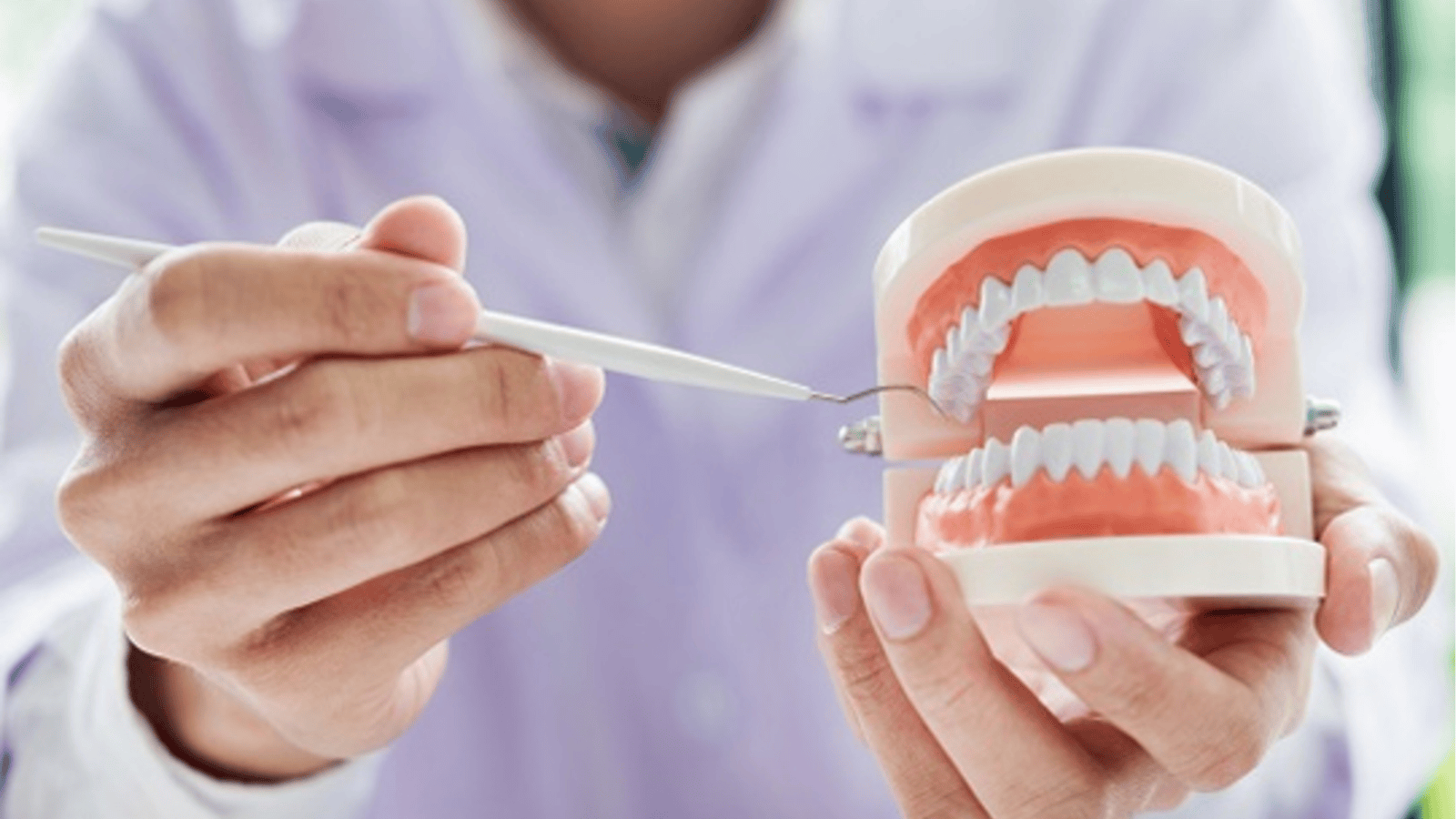
You know that feeling when your dentist says, “Everything looks great, see you in six months”? That’s the kind of peace we all want. Strong teeth don’t just happen. They are made, little by little, through small habits. It’s way easier to keep your teeth healthy than to fix them later. Think about it. Brushing, flossing, and regular checkups are all those boring things that save you from fillings, root canals, and painful surprises later. So yes, preventive care might sound simple, but it’s the real secret behind strong teeth and a confident smile. In this blog, we will discuss how preventive care keeps your teeth strong and what daily habits make a difference. We will also learn a few sneaky things most people forget about dental health.
What Actually Keeps Teeth Strong?
Your teeth are like tiny bones, tough, but not invincible. They deal with heat, cold, sugar, pressure, and even stress. Preventive care is just your daily and routine way of protecting them before trouble starts. In short:
- Brush and floss right.
- See your dentist regularly.
- Eat foods that actually help your teeth.
- Avoid habits that quietly wear them down.
It’s not rocket science, but consistency is everything. You can’t out-brush a bad diet or skip dentist visits and expect miracles.
Brush Like You Mean It
Most people brush too hard or too fast. The truth? Brushing isn’t about force. It’s about technique.
Use a soft-bristled brush. Tilt it at a 45° angle and move gently in circles. Spend at least two minutes. And don’t forget your tongue. It holds more bacteria than you’d guess. Don’t skip nighttime brushing. That’s when bacteria have all night to party in your mouth.
Electric toothbrushes can remove up to 21% more plaque than manual ones.
Flossing
Flossing feels like a chore. But brushing only cleans about 60% of your tooth’s surface. The other 40% hides between teeth where plaque builds quietly.
Daily flossing prevents cavities, gum disease, and even bad breath. Think of it as the detail work after brushing. The polish that keeps things spotless.
If traditional floss feels awkward, try floss picks or water flossers. The best floss is the one you will actually use.
What You Eat Matters More Than You Think
Teeth are part of your body, not separate from it. So what you eat shows up in your mouth. Let’s see a quick table of tooth-friendly vs tooth-trouble foods:
| Tooth-Friendly Foods | Why They Help | Foods To Limit | When They Harm |
| Dairy (milk, cheese, yogurt) | High in calcium and phosphate | Sugary drinks, sodas | Acid erodes enamel |
| Crunchy fruits and veggies (apples, carrots) | Clean teeth naturally | Sticky candy | Clings between teeth |
| Nuts and seeds | Contains minerals for enamel | Citrus (in excess) | High acidity weakens enamel |
| Green tea | Fight bacteria | Chips/crackers | Turns into sugar in the mouth |
A balanced diet means stronger enamel, less decay, and fresher breath.
And drink water! It rinses bacteria, balances pH, and helps remineralize enamel.
Regular Checkups
Dentists don’t just fix teeth; they protect them.
A professional cleaning every six months removes hardened plaque you can’t get at home. Dentists also catch tiny cavities or gum issues before they blow up into something big and expensive.
Even if your teeth feel fine, get that checkup. Preventive visits are cheaper and less scary than treatment visits.
Protect Your Teeth from Sneaky Enemies
You might be taking care of your teeth daily and still wonder, “Why do I get problems?” Well, some habits silently undo your efforts:
- Grinding or clenching wears enamel.
- Chewing ice can cause micro-cracks.
- Smoking and vaping damage gums and discolor teeth.
- Enamel is harmed when teeth are used as instruments.
Consult your dentist about a night guard if you grind your teeth at night. It can prevent years of wear and tear on your smile.
Sealants and Fluoride
Fluoride helps your teeth withstand acid attacks from bacteria and food by strengthening the enamel. Fluoride is already present in most toothpastes. Your dentist may recommend a professional fluoride treatment in certain situations. Particularly for children or those who are at risk for cavities. It is quick and provides an additional layer of protection.
Sealants, on the other hand, are thin coatings applied to the chewing surfaces of molars. Sealants can reduce cavity risk by 80% in the first two years after application.
Don’t Ignore Early Signs
A little bleeding while brushing? Sensitivity to cold drinks? Those are red flags, not normal. Early attention can prevent serious dental issues later.
Most dental problems don’t hurt at first. So, if something feels off, like a weird taste, swelling, or sensitivity, book that appointment. You will thank yourself later.
Consistency Over Perfection
No one’s perfect. You will forget to floss sometimes or have a soda here and there. That’s fine. Consistency is what counts.
Consider preventive care to be similar to exercise. You stay powerful through little daily acts rather than one intensive workout. The same goes for your teeth. Strong teeth are built from habits and not luck.
Long Story Short
Brush well, floss often, eat smart, and don’t skip those checkups. Preventive care is cheaper, easier, and honestly, way less painful than fixing problems later. Make an appointment with Garrison Orthodontics for a checkup if it’s time for you to see a dentist. Our amiable staff assures that your teeth remain healthy for the rest of your life. Don’t let suffering serve as a reminder. Make an appointment for your next preventative care visit right now to maintain that radiant smile!
FAQs
Are whitening toothpastes safe to use over an extended period of time?
Most are fine if used correctly. But overuse can cause enamel thinning. Ask your dentist before using them daily.
How can I tell if my enamel is weakening?
Increased sensitivity, dullness, or yellowing are early signs. Avoid acids and brush gently with fluoride toothpaste.
Can stress really affect my teeth?
Yes. Stress often leads to jaw clenching or grinding. It can chip or wear down teeth over time.