
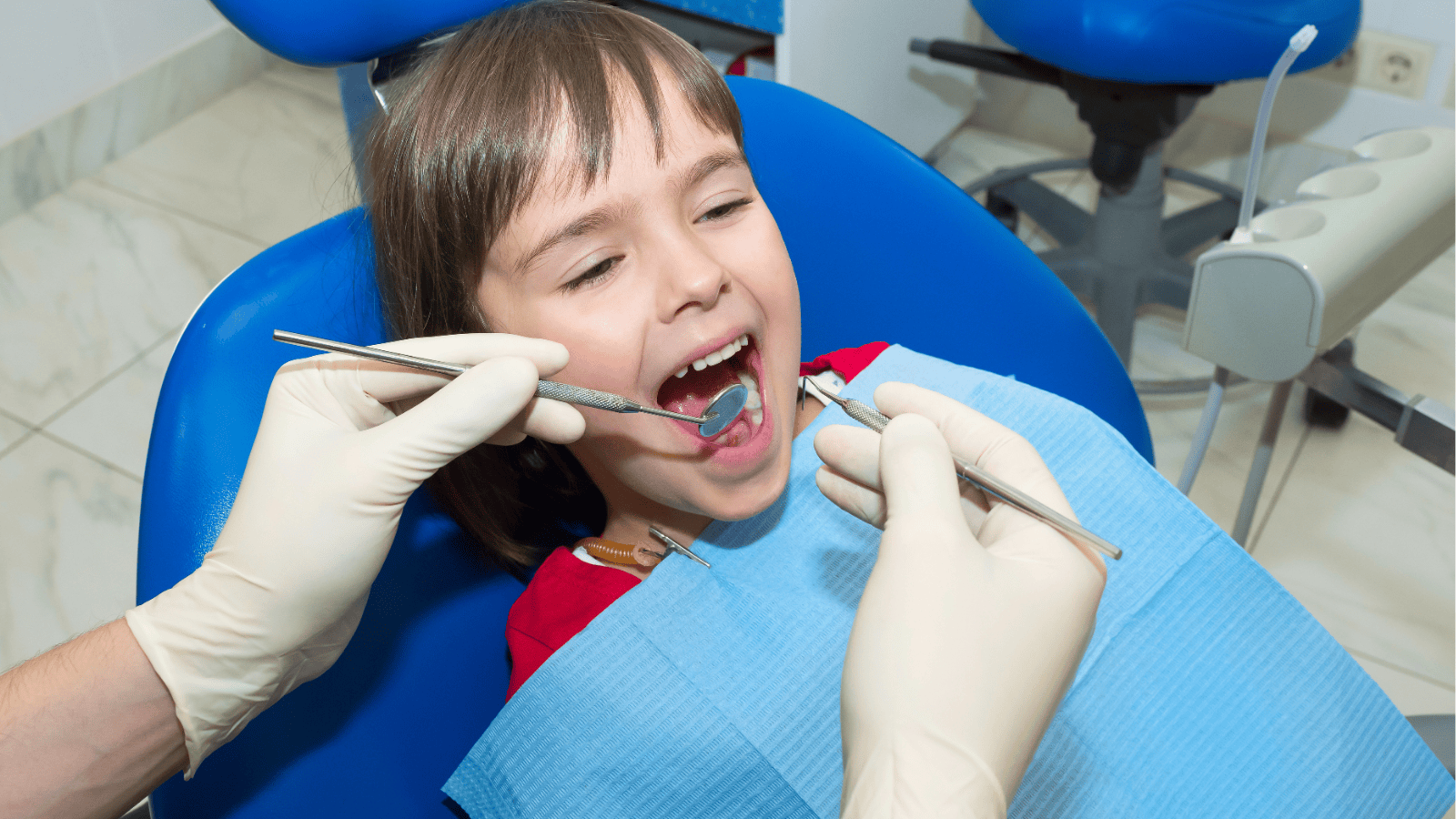
As a parent, you want the best for your child’s smile and health. But did you know that spotting early signs your child may need preventive orthodontic care can make a huge difference? Preventive orthodontic care for kids helps catch small issues before they turn into big problems. This approach can save time, money, and discomfort down the road.
At Garrison Orthodontics, we see kids every day whose parents wish they’d known the signs sooner. Early action often means simpler treatments and better results. In this post, we’ll break down the key early signs, explain why they matter, and share tips on what to do next. Keep reading to learn how to spot these clues and protect your child’s dental future.
What Is Preventive Orthodontic Care?
Preventive orthodontic care is all about stepping in early to guide your child’s teeth and jaws as they grow. It’s not the full braces experience; think of it more like gentle nudges to keep things on track. Dentists and orthodontists recommend checkups around age 7, as recommended by the American Association of Orthodontists. That’s when most kids have enough permanent teeth for a good look at developing problems.
Why start so young? Jaws and teeth are still forming, so small fixes now can prevent the need for major work later. For example, early intervention might involve space maintainers or simple appliances to hold spaces open for adult teeth. It’s like catching a small leak before it floods your home, much easier and less messy.
Common Early Signs Your Child May Need Preventive Orthodontic Care
Parents often notice these signs during everyday moments, like mealtime or playtime. Don’t panic if you spot one or two; many kids outgrow minor habits. But if they stick around, it’s time to chat with a pro. Here are the top signs, explained step by step.
1. Crowded or Crooked Teeth
One of the clearest early signs your child may need preventive orthodontic care is crowded teeth. Baby teeth start shifting or overlapping? That could signal not enough room in the jaw for permanent teeth coming in.
2. Thumb-Sucking or Finger Habits Past Age 4
Thumb-sucking is cute in toddlers, but if it lingers past age 4, it might push teeth out of line. This habit can cause an open bite, where top and bottom teeth don’t meet. It’s a classic sign of preventive orthodontic care for kids.
3. Mouth Breathing or Snoring
Does your child breathe through their mouth most of the time? Or snore loudly at night? These are red flags pointing to possible airway issues, which tie directly to orthodontic needs.
4. Speech Difficulties or Lisps
Trouble saying “s” or “th” sounds? A lisp can signal tongue thrust or bite problems. When the tongue pushes against teeth during speech, it nudges them forward, a key early sign your child may need preventive orthodontic care.
5. Protruding Teeth or Buck Teeth
Front teeth sticking out like bunny teeth? This overjet happens when the top teeth jut far over the bottom ones. It raises injury risk during sports or falls and can strain jaw muscles.
6. Difficulty Chewing or Biting Food
If your child avoids tough foods or chews only on one side, check their bite. Misaligned jaws, called malocclusion, make eating uncomfortable. Signs include uneven wear on teeth or jaw pain.
7. Jaw Pain, Clicking, or Grinding
Grinding teeth at night (bruxism) or jaw clicking? These point to TMJ issues brewing early. Kids might complain of headaches or earaches, too.
8. Gaps Between Teeth (Diastema)
Wide spaces, especially between front teeth, can signal missing teeth underneath or jaw habits. While some gaps close naturally, others widen with tongue thrusts.
9. Delayed Tooth Loss or Eruption
Losing baby teeth late or adult teeth coming in slowly? This delays proper alignment. Impacted teeth (stuck in gums) often follow. X-rays spot these early, allowing timely pulls or exposures.
10. Family History of Orthodontic Issues
Genetics plays a big role. If you or siblings needed braces, your child might too. Proactive checkups catch inherited traits like small jaws.
Why Early Detection Matters for Long-Term Health
Spotting early signs your child may need preventive orthodontic care isn’t just about looks; it’s about health. Poor bites lead to gum disease, tooth wear, and even breathing problems. Studies show early treatment cuts total ortho time by up to 50%. Plus, confident kids chew better, speak clearly, and avoid bullying over crooked smiles.
What to Expect During Your Child’s First Visit
Your initial appointment at Garrison Orthodontics includes a fun exam, photos, and X-rays. No pain, just answers. We’ll map growth and suggest if preventive steps are needed.
Dr. Garrison Copeland excels at making kids feel at ease, explaining everything in simple terms so families leave empowered.
Why Choose Garrison Orthodontics?
What sets us apart? Our clinic focuses on personalized preventive orthodontic care for kids. We use the latest tech, like digital scanners for precise plans without messy molds. Our team prioritizes comfort. Kids love our game-filled waiting room and gentle methods.
Parents choose us for results: over 95% of our early patients avoid major surgery later. We’re in-network with most insurances, offering flexible payments. Most importantly, Dr. Copeland’s 20+ years mean tailored care that fits your family’s life. Visit us for a free consultation and see smiling faces transform.
Ready to check those early signs? Schedule today at garrisonorthodontics.com.
FAQs
At what age should my child get their first orthodontic checkup?
The American Association of Orthodontists recommends age 7. By then, enough permanent teeth are in to spot early signs your child may need preventive orthodontic care. It’s never too early for a quick look if issues pop up sooner.
Can preventive orthodontics prevent the need for braces later?
Yes! About 70% of kids who get early intervention skip full braces. It guides growth naturally, fixing issues like crowding before they worsen.
Are there home remedies for early orthodontic signs?
Basic habits like good oral hygiene help, but don’t DIY fixes like tying thumbs. See a specialist for safe guidance when risks outweigh benefits.
How long does preventive treatment take?
Typically 6–12 months, far shorter than traditional ortho. It’s phased with your child’s growth for the best results.