
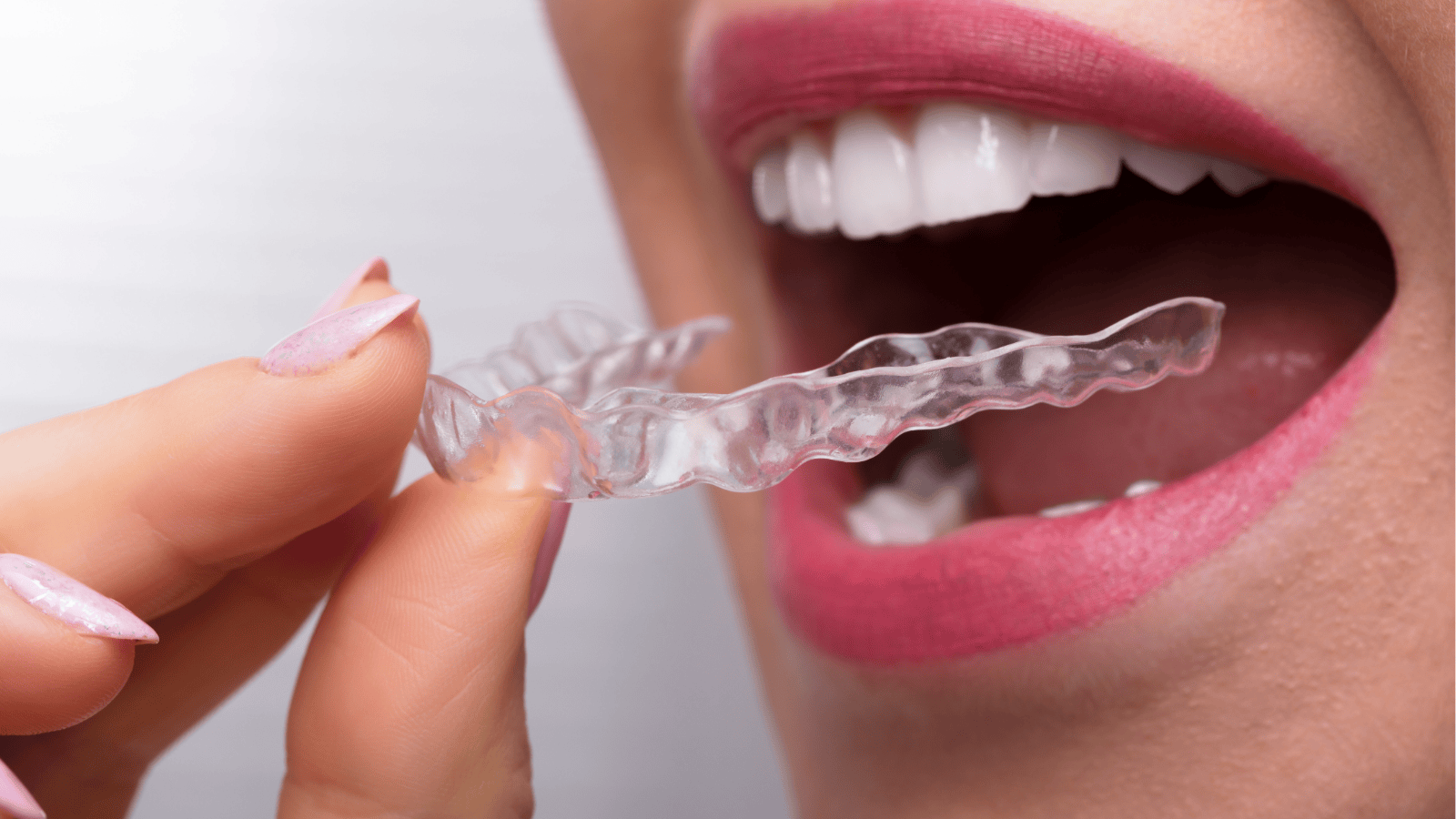
Ever felt self-conscious about your smile, not enough to hide behind closed lips, but enough that you’d do something about it? What if we told you there’s a way to straighten your teeth without metal brackets or comfort-crushing wires? Yes, we are talking about clear aligners. These nearly invisible trays are changing how folks fix their teeth sophisticatedly, affordably, and often a lot faster. They are discreet enough for daily life yet powerful enough to create real change. Whether you are prepping for a big event or simply tired of hiding your smile, the journey can be life-changing. Curious how it all works, step by step? Let’s unpack it together. Here’s what we will walk you through in this post: a clear roadmap from “I wonder if I’m a candidate?” to flashing that confident, straight-teeth grin.
A Straightforward Walkthrough Of The Clear Aligner Journey
Getting clear aligners starts with an initial visit or virtual scan to see if you are a good fit. Then, you get a 3D treatment plan showing how your teeth will gradually move, and you approve it. After that, they manufacture your custom trays, which you wear daily, swapping them every week or two. You will check in periodically, either virtually or in person, to monitor progress.
Once treatment wraps up, you will wear retainers to keep your new smile in place. The whole process is designed to fit around your lifestyle; no awkward metal, no food restrictions, and minimal disturbance to your regular habits.
And the best part? You will see changes sooner than you think, which makes sticking to the plan a lot more exciting.
Figuring Out If Clear Aligners Are Right for You
So, first up: “Am I a candidate?” That’s always the big question. Most places offer either an in-office consult or a virtual one. You chat about your smile goals, bite issues, and get an exam or upload photos. They might take X-rays or a digital scan.
A friendly teeth-check determines whether aligners are tech-good for you, or if more traditional treatments might be smarter. Studies suggest that most orthodontic cases are treatable with aligners, from mild crowding to small bite issues.
Mapping Your Smile, The 3D Treatment Plan
Once you are a candidate, experts create a 3D model of your current teeth.
This step is like seeing your future smile month by month. You get a digital preview, “this tooth here will move slightly, that one will tilt,” and you sign off on it. It’s also the time to set timelines and figure out the cost. You will know how many trays, how long to wear them, and what you will pay.
Getting Your Custom Trays
After approval, they send your plan to a lab where your trays are manufactured.
| Milestone | The Action | Approximate Timeframe |
| 3D Model Creation | Each model and tray is printed | 1 – 2 weeks |
| Quality Check | Perfecting the fit | Within a few days |
| On Its Way | Trays delivered to you | 3 – 7 days |
It’s fun and a bit like a special event when those trays finally arrive. Open the box, see your future smiles lined up like mini smiles waiting to happen.
Wearing and Swapping Aligners
Here’s where it gets real: wearing your clear trays. You will put in your first tray, keep it in for about 20–22 hours a day, and switch to the next one every 7–14 days.
It’s not as bad as braces. Some mild pressure at first, but manageable. And you take them out to eat, brush, and floss, so life stays pretty normal.
Tracking Progress
Experts usually schedule check-ins. That could be a quick photo submission or a short visit. They will say, “Looking great! Two more trays to go.” If adjustments are needed, they will tweak them.
These check-ins are also a chance to ask questions, share concerns, or celebrate milestones in your treatment. It’s reassuring to know there’s always someone keeping an eye on your smile’s progress.
Retaining That Beautiful Smile
When the last tray’s done, you are close, super close to that dream smile.
You will move into wearing a retainer, usually every night initially, and eventually a few nights per week. The idea: your teeth need time to settle into their new home, and retainers help with that.
Feeling snug and set? You are cruising toward a smile that’s not just straighter, but stays that way.
Why This Process Works
It’s not just about straight teeth. It’s about how easy and comfortable the journey feels. Here’s why this process has become a favorite for so many people.
- Almost invisible, so you avoid a metal mouth and still smile big in photos.
- Removable for lunch, date nights, coffee runs, so no wire drama.
- Predictably, the 3D mapping gives you a visual timeline (and excitement!).
Final Thoughts
And that’s the journey, step by step, from wondering about your smile to owning it with crystal-clear confidence. Clear aligners make the path smoother, less obtrusive, and honestly pretty exciting because you can see your smile transformation in real time. Ready to start? If you are curious or want to dive in, reach out to Garison Orthodontics; they will walk you through your unique plan (no strings, just friendly guidance). Your future smile’s waiting, go meet it.
Frequently Asked Questions
What should I do if an aligner goes missing or gets damaged?
Absolutely, but only when the aligners are out. You don’t want staining or warping, so take them out, sip, rinse, or brush, then pop them back in.
What happens if I lose or break an aligner?
It’s not the end of the world. Contact your provider ASAP. They will likely recommend wearing your previous one and sending a replacement. Sometimes, a quick remake, skipping ahead, they will guide you, case by case.
Are there age limits for clear aligners?
Nope. While most users are teens and adults with full permanent teeth, aligners work at any age, so long as your teeth and gums are healthy. If you have a specific dental history or gaps, your orthodontist will make recommendations accordingly.