
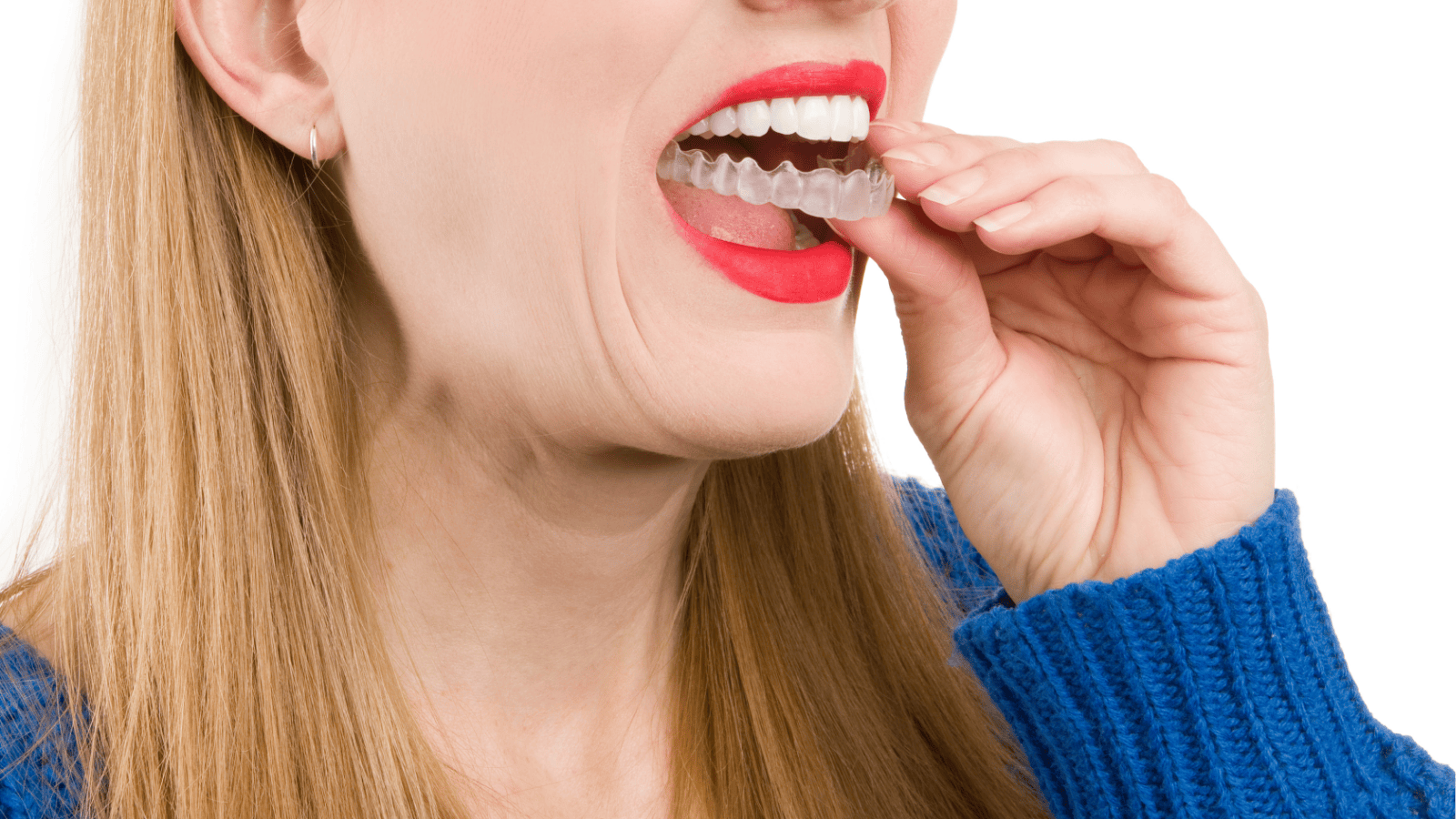
You have been thinking about straightening your teeth, but don’t love the idea of braces. So, you start Googling and stumble upon clear aligners. They are invisible (kind of cool), removable (even better), and don’t come with the metal-mouth look. But then comes the big question: How long is this going to take? You are not just looking for a better smile. You want to know how long it’s going to take to get there. Weeks? Months? Years? In this blog, we will talk about how long clear aligner treatment usually takes and what can help you finish sooner or delay things quite a bit.
Short and Honest Answer
Most people finish clear aligner treatment somewhere between 6 and 18 months. Some people see results in as little as 4 months, while others may need up to 2 years, especially if their case is more complex.
The exact timeline depends on a bunch of factors, like how crooked your teeth are, how often you wear your aligners, and your overall oral health. Everyone’s timeline is different.
What Are Clear Aligners?
Clear aligners like Invisalign or Spark are custom-made, transparent trays that gently move your teeth into a straighter position. You wear a new set every one to two weeks, and over time, your teeth shift little by little.
Unlike traditional braces, there are no wires, no brackets, and no adjustments, just trays that pop in and out. They are especially popular with adults and teens who want something more discreet.
The Average Timeline
So now that you have got the big picture, let’s break things down a bit more. Here’s a simple look at how long clear aligners usually take based on your case.
| Treatment Type | Average Duration |
| Mild Corrections | 4 – 6 months |
| Moderate Corrections | 6 – 12 months |
| Complex Cases | 12 – 24 months |
Below is a rough breakdown of what your journey might look like:
- Initial Consultation: X-rays, scans, and a treatment plan (Week 1)
- Aligner Fitting: Your first set arrives (Week 3–4).
- Wearing Aligners: 20–22 hours per day, switching trays every 1–2 weeks
- Monitoring Progress: Check-ups every 6–10 weeks
- Finishing Touches: Retainers or refinements at the end
Consistency is the key. You have to wear them as instructed; otherwise, your teeth won’t move on schedule.
What Affects Your Timeline?
Let’s break down the key factors that can speed things up or slow things way down.
Severity of Your Case
Got a small gap between your front teeth? That will likely take less time than rotating a molar or correcting a major overbite.
Mild spacing and crowding can often be fixed in under 6 months.
But more complex movements (like shifting your bite or aligning the jaw) take longer, and might even require attachments or elastics with your aligners.
How Often Do You Wear Them
Clear aligners only work when you wear them. You are supposed to wear them 20–22 hours a day. That means you can take them out for eating, drinking anything besides water, and brushing your teeth, but that’s it.
Every time you leave them out for too long (say, you forget after lunch or leave them out for a night out), it sets you back. A day missed might not seem like much, but it adds up over weeks and months.
Your Age Matters
Teens and younger patients tend to see faster results because their teeth and bones are still developing. Adults can get amazing results, too, it just might take a little longer since their jawbone is less flexible and slower to respond to shifting.
Adults are usually more disciplined about wearing aligners properly. So even if biology slows things down a bit, commitment can level the playing field.
Why Strong Gums and Jawbones Matter
If you have underlying gum disease or bone loss, your orthodontist may delay or pause treatment until things are stable. Healthy gums and bones help your teeth move more efficiently.
A solid foundation means smoother, faster movement. According to the American Association of Orthodontists, untreated gum issues can cause delays and even complications during clear aligner therapy.
Lifestyle Habits
Do you smoke? Constantly snack? Forget to brush before popping your aligners back in? All of these small habits can impact your timeline.
For example, aligners need a clean surface to do their job. If food debris or sugar is trapped between your teeth and trays, it can lead to decay or gum issues, both of which might put treatment on hold.
Following the Treatment Plan
Sometimes your orthodontist might ask you to wear attachments, small, tooth-colored dots that help guide the movement. Or you might need elastics to correct bite alignment.
Skipping those little extras or not showing up for your checkups? Yep, more delays.
Refinements Along the Way
Sometimes, even with the best planning, your teeth don’t move exactly as expected. It’s normal; everyone’s mouth responds differently. That’s where refinements come in.
Refinements are extra sets of aligners your orthodontist may order toward the end of your treatment to perfect your smile. They help tweak any minor misalignments or touch-up areas that didn’t shift quite right the first time.
Refinements help get the best outcome; they can add a few weeks (or even months) to your original timeline. They are usually shorter and more targeted.
Can You Speed Up the Process?
There’s no magic wand, but here are a few ways to stay on track or maybe even shave off a few weeks:
- Treat 22 hours a day like a rule, not a suggestion. No excuses.
- Change aligners on schedule. Don’t try to rush it unless your ortho gives the go-ahead.
- Brush and floss daily. Healthy teeth = better movement.
- Store aligners properly. Warped trays mean slower progress.
- Use chewies. They help your aligners fit better and move teeth more efficiently.
What Happens After the Aligners?
Once you are done with treatment, you are not completely done. You will likely need to wear retainers to maintain your results. Most people start with full-time wear, then transition to nights only.
Skipping this step? Your teeth can shift right back, and nobody wants to undo months (or years) of progress.
Final Thoughts
At Garison Orthodontics, we are not just about straight teeth. We are about helping you get there comfortably, confidently, and on a timeline that works for you. We personalize every treatment, monitor your progress closely, and give you honest feedback along the way. If you are considering clear aligners, we are here to guide you through the journey, from your first scan to your final retainer. Ready to take the first step toward your dream smile? Reach out to us today for a consultation, and let’s get started.
FAQs
Can clear aligners treat issues with jaw alignment, or are they just for straightening teeth?
Clear aligners are great for straightening crooked or crowded teeth, but they can also help with some bite problems, like mild overbites, underbites, or crossbites, in many cases. However, if your jaw is severely misaligned or needs major shifting, aligners alone might not be enough. Always ask your orthodontist what’s possible in your case.
What should I do if I lose or break an aligner tray?
If you lose or damage an aligner, contact your orthodontist right away. They will tell you whether you should move on to the next tray, go back to your previous one, or wait for a replacement. Wearing the wrong tray or leaving your aligners out for more than a day can slow down your treatment or cause teeth to shift the wrong way.
Are there any foods or drinks that I should avoid entirely during aligner treatment, even if I remove my trays?
While you can take out your aligners to eat and drink, it’s smart to avoid super sticky, hard, or sugary foods, which can leave residues on your teeth and trays. Drinks like coffee, tea, red wine, or sodas can stain your aligners if you put them back in without brushing first. Drinking hot beverages can also warp the trays. Try to stick to water while wearing your aligners, and always brush before putting them back in to keep your teeth and trays clean.